Walker
Walkers & Knee Walkers — Maximum Stability for Recovery and Daily Use
A standard walker is the right starting point after hip or knee surgery, with significant balance impairment, or any situation where a rollator's rolling movement is not yet safe. Every tip stays on the floor until you lift it — firm, predictable, and stable when you need it most.
For non-weight-bearing foot or ankle recovery, a knee walker gives back hands-free independence that crutches simply cannot match for daily home use.
Coming home from the hospital? We deliver and set up equipment same-day and next-day across Southwest Florida — call before discharge day, not after: 1-866-218-0902. Or read the complete hospital discharge checklist.
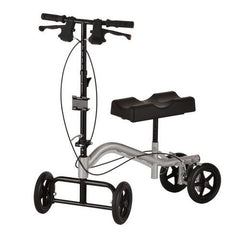
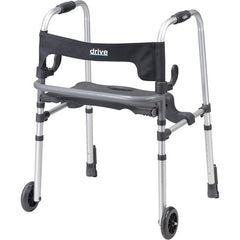
A standard walker is the right starting point when maximum stability is the priority — after hip or knee surgery, with significant balance impairment, or any situation where a rollator's rolling movement is not yet safe. Every tip stays on the floor until you lift it. No rolling away. No controlling movement. Just a firm, stable frame to push against and lean on when you need it most.
Shop Walkers & Walker Accessories
Standard & Two-Wheeled Walkers — Four-tip standard walkers for maximum stability and two-wheeled walkers that add front wheels for a more natural gait while rear tips still provide resistance. The right starting point after surgery, during acute recovery, or for users who need to bear meaningful weight through their arms while walking.
Knee Walkers — For non-weight-bearing recovery from foot or ankle injury, fracture, surgery, or Achilles tendon repair. Rest the injured leg on the padded knee platform and push with the uninjured foot. Hands free. Moving. Dramatically more practical than crutches for daily home use on flat surfaces during 4–8 weeks of non-weight-bearing recovery. Most people who try one say they wish they had started with it instead of crutches.
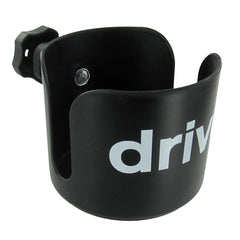
Walker Accessories — Replacement rubber tips, folding baskets, trays, and add-ons for standard walkers. Worn tips reduce stability and increase fall risk — replace them when they show visible wear.
Standard Walker vs Rollator — When Each Is Right
A standard walker is the right choice when you need to bear weight through your arms while walking — due to leg weakness, recent surgery, or significant balance impairment. It is also right when a rollator's rolling movement is not yet safe to control. Most people start with a standard walker after discharge and transition to a rollator as strength and stability improve.
A rollator is right when you can walk independently but need support for balance or endurance — and when you are ready for a device that rolls forward with you rather than requiring lifting with every step. If you are unsure which applies to your current situation, read our walker vs rollator guide or call us: 1-866-218-0902.
Coming Home From the Hospital
The equipment in the house before the patient walks through the door is a safety system — not an afterthought. A walker at the right height, grab bars anchored to studs, a raised toilet seat, a shower chair. These need to be in place before arrival, not ordered the morning after a fall. We deliver and set up home medical equipment same-day and next-day across Southwest Florida.
Coming Home From the Hospital — Your Complete Equipment Checklist — What to ask before discharge, what needs to be in place before the patient arrives home, and what we can deliver same-day or next-day across Venice, Sarasota, Port Charlotte, Fort Myers, and Naples. Read this before discharge day.
Guides & Resources
Walker or Rollator — How to Choose the Right Walking Aid — Standard walkers, rollators, upright walkers, knee walkers, and canes explained clearly. The questions that determine the right answer, and sizing guidance nobody tells you before you buy.
Walk-ins welcome at all five Southwest Florida locations — Venice, Sarasota, Port Charlotte, Fort Myers, and Naples. We adjust handle height correctly before you leave and can deliver and set up equipment same-day for urgent hospital discharge situations. Call 1-866-218-0902 — Monday–Friday 9AM–5PM · Saturday 9AM–3PM.