Hydrogel Dressings · Clinical Reference · Southwest Florida
How to choose the right hydrogel dressing
What type of wound is a hydrogel dressing best for?
Hydrogels are the right choice when the wound bed is dry, necrotic, or covered in yellow slough. Their high water content — up to 90% — donates moisture to desiccated tissue, kick-starting autolytic debridement without the need for sharp or mechanical debridement. They are also widely used on partial-thickness burns, radiation wounds, and dry pressure injuries.
What is the difference between amorphous hydrogel and a hydrogel sheet?
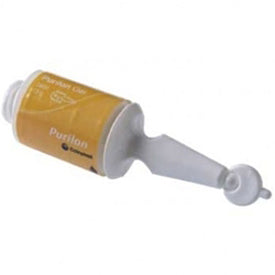
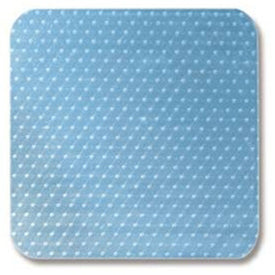
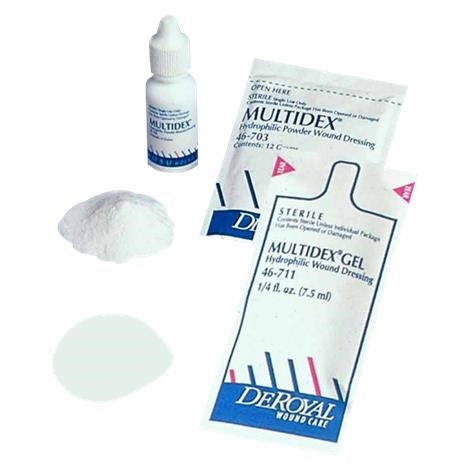
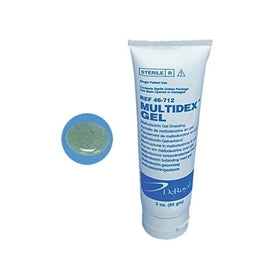
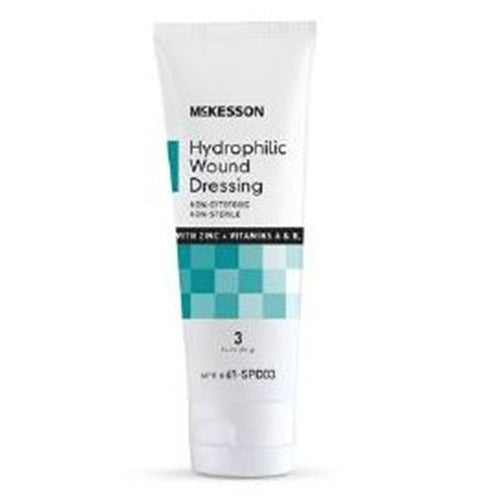
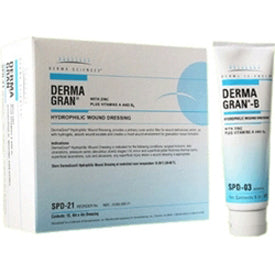
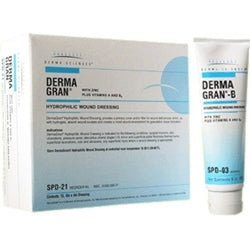
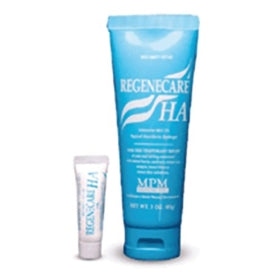
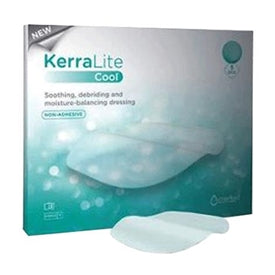
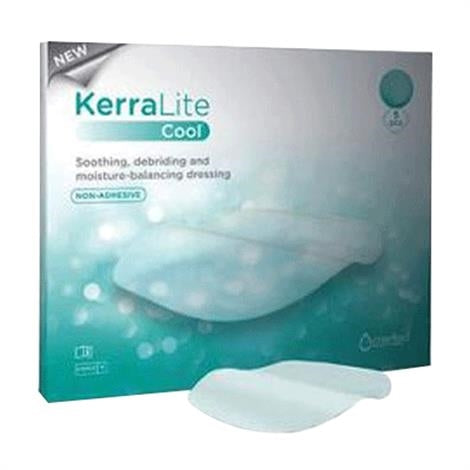
Amorphous hydrogel comes in a tube or foil packet and can be applied directly into irregular wound beds, cavities, or tunnels — it conforms to any shape. Hydrogel sheets are pre-formed pads suited for flat, shallow wounds and are easier to handle for caregivers at home. Both deliver moisture to the wound but amorphous gel is more versatile for complex wound shapes.
Can I use a hydrogel dressing on an infected wound?
Standard hydrogels are not recommended for clinically infected wounds — they retain moisture in a way that can support bacterial growth if infection is present. If a wound shows signs of infection (increasing redness, warmth, odor, or purulent drainage) consult your clinician before applying a hydrogel. Antimicrobial hydrogel formulations containing silver or iodine may be prescribed in those cases.
How often should a hydrogel dressing be changed?
Amorphous hydrogel is typically changed daily to every three days — the gel liquefies as it works and may not stay in place for longer periods. Hydrogel sheets can last one to three days depending on how much moisture the wound absorbs. Change sooner if the dressing appears dry, the gel is depleted, or there are signs of periwound maceration from excess moisture.
Does a hydrogel dressing need a secondary dressing on top?
Yes — amorphous hydrogel requires a secondary dressing to keep it in place and prevent the gel from drying out. A transparent film, thin foam, or composite dressing works well as a cover. Hydrogel sheets may be self-contained depending on the product, but a secondary cover is still recommended for most wound locations to protect the site and secure the dressing.
Commonly paired with hydrogel dressings
Hydrogels are almost always used with a secondary dressing for cover and fixation. Common combinations include:
Transparent Film DressingsFoam DressingsComposite DressingsMedical Tapes
For the full clinical picture on hydrogel dressings, dry wound management, and autolytic debridement, see our Clinical Wound Care Guide →
Not sure which hydrogel is right for your wound?
Our team is available by phone or in person at all five Southwest Florida locations — Venice · Sarasota · Port Charlotte · Fort Myers · Naples
Call 1-866-218-0902Find a Location