

ConvaTec Aquacel Foam Dressing — Hydrofiber Interface, Silicone Adhesive, 13 Sizes
/


ConvaTec Aquacel Foam Dressing — Hydrofiber Interface, Silicone Adhesive, 13 Sizes Including Heel & Sacral
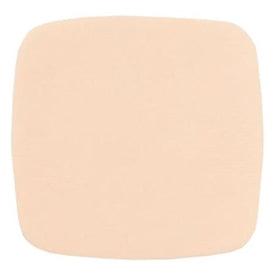
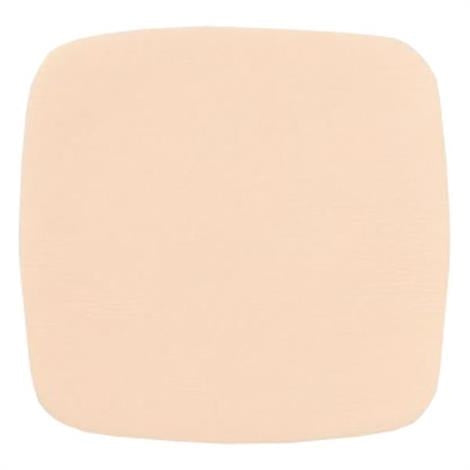
The only foam dressing with a Hydrofiber interface. Gels on contact. Wicks vertically. Micro-contours to the wound bed. Silicone adhesive that lifts clean. ConvaTec Aquacel Foam is a four-layer sterile wound dressing that combines the absorbent cushioning of a soft polyurethane foam pad with ConvaTec's proprietary Hydrofiber technology at the wound interface — making it clinically distinct from every other foam dressing on the market. Where standard foam dressings absorb exudate into the foam matrix and spread it laterally toward the wound margins, Aquacel Foam's Hydrofiber interface immediately gels on contact with wound exudate, locks harmful wound components into the gel structure, and wicks fluid vertically up through the dressing rather than outward — reducing maceration risk and protecting the periwound skin. The gel interface micro-contours to the wound bed surface, eliminating the dead space where bacteria colonize between a flat dressing and an irregular wound. The gentle silicone adhesive border adheres to the surrounding skin without bonding to the wound bed, and the dressing lifts away as a cohesive gel sheet with low cellular adhesion — minimizing tissue disruption and patient pain at dressing change. Available in 13 sizes and shapes across adhesive and non-adhesive configurations, including dedicated heel and sacral shapes.
✔ Hydrofiber Interface — The Only Foam With ConvaTec Hydrofiber Technology ✔ Gels on Contact — Locks in Exudate Including Harmful Components ✔ Vertical Wicking — Reduces Maceration, Protects Periwound Skin ✔ Micro-Contours to Wound Bed — Eliminates Dead Space ✔ Gentle Silicone Adhesive — Low Trauma Removal ✔ Waterproof — Shower & Bathe With Dressing in Place ✔ Heel & Sacral Shapes Available
Product Details & Available Sizes
| Manufacturer | ConvaTec |
|---|---|
| Dressing Type | Gelling foam — four-layer construction with Hydrofiber interface |
| Layer 1 — Outer Backing | Waterproof polyurethane film — bacterial and viral barrier; allows moisture vapor evaporation; waterproof for showering and bathing |
| Layer 2 — Foam Pad | Soft polyurethane foam — absorbs excess fluid, provides cushioning and patient comfort |
| Layer 3 — Hydrofiber Interface | Proprietary ConvaTec Hydrofiber (CMC) — gels on contact with exudate; vertical wicking; micro-contouring to wound bed; locks in exudate and harmful wound components |
| Layer 4 — Silicone Adhesive Border | Gentle silicone — adheres to surrounding skin, not wound bed; demonstrated low potential for dermal irritation or allergic contact sensitization (adhesive variants) |
| Exudate Level | Moderate to heavily exudating wounds |
| Wear Time | Up to 7 days — change when clinically indicated |
| Sterility | Sterile |
| Latex | Latex-free |
| HCPCS Codes | A6212, A6213 |
Adhesive Sizes
| 420804 | 3.2" x 3.2" Square — Box of 10 |
|---|---|
| 420680 | 4" x 4" Square — Box of 10 |
| 421149 | 3" x 5" Rectangle — Box of 10 |
| 421151 | 4" x 8" Rectangle — Box of 10 |
| 421153 | 4" x 10" Rectangle — Box of 10 |
| 421155 | 4" x 12" Rectangle — Box of 10 |
| 420619 | 5" x 5" Square — Box of 10 |
| 420621 | 7" x 7" Square — Box of 10 |
| 420625 | Heel — 8" x 5.5" — Box of 5 |
| 420626 | Sacral — 8" x 7" — Box of 5 |
| 420828 | Sacral — 9.4" x 8.4" — Box of 5 |
Non-Adhesive Sizes
| 420633 | 4" x 4" Square — Box of 10 |
|---|---|
| 420635 | 6" x 6" Square — Box of 10 |
| 420637 | 6" x 8" Rectangle — Box of 10 |
Indicated For — Wound Types
- Pressure ulcers / pressure injuries — all stages
- Venous leg ulcers
- Arterial ulcers
- Diabetic foot ulcers
- Acute wounds — lacerations, abrasions, skin tears
- Surgical wounds — post-operative incisions, dehisced wounds
- Donor sites
- Partial thickness (second-degree) burns
- Sloughy wounds requiring autolytic debridement support
- Granulating and epithelializing wounds
- Palliative wounds
- Infected wounds (in conjunction with appropriate clinical management)
- Moderate to highly exudating wounds of any etiology
Not indicated for: Dry or necrotic wound beds — the Hydrofiber interface requires wound moisture to activate. For dry wounds, a hydrogel or thin hydrocolloid is more appropriate. Not for use in wounds due to herpes simplex or impetigo without clinical guidance.
The Four-Layer Construction — What Each Layer Does
Most foam dressings are two- or three-layer constructions: a foam body, a film backing, and in some cases a wound contact layer. Aquacel Foam adds a fourth, clinically distinct layer that no other foam on the market offers — the Hydrofiber interface — and it is this layer that drives the dressing's clinical differentiation.
Layer 1 — Waterproof Film Backing: The outermost layer is a semi-permeable polyurethane film that performs two simultaneous functions. It allows water vapor to escape outward, preventing moisture accumulation within the dressing that would accelerate maceration of the wound margins. At the same time, it is impermeable to liquid water, bacteria, and viral particles — providing a protective barrier against external contamination throughout the wear period and allowing the patient to shower or bathe without dressing compromise.
Layer 2 — Soft Polyurethane Foam Pad: The foam layer provides the dressing's structural body and bulk absorbency. It cushions the wound from external pressure and mechanical trauma — particularly valuable for pressure injuries where repeated mechanical load on the wound surface is a primary concern — and it serves as the reservoir that accepts and holds the exudate drawn up through the Hydrofiber layer below. The foam's softness and flexibility also contribute to the dressing's conformability across body contours.
Layer 3 — Hydrofiber Interface: This is the layer that makes Aquacel Foam unique. The Hydrofiber layer is made of ConvaTec's proprietary carboxymethylcellulose (CMC) fiber technology — the same technology used in the standalone Aquacel Hydrofiber dressing line. When wound exudate contacts the Hydrofiber, the CMC fibers immediately begin absorbing fluid and converting to a cohesive gel. Three critical things happen during this conversion that standard foam wound contact layers cannot replicate:
- Vertical wicking: The Hydrofiber gel structure channels fluid upward through the dressing body toward the foam layer rather than allowing it to spread laterally along the wound surface. Lateral fluid spread is the primary mechanism by which foam dressings cause periwound maceration — the exudate migrates outward along the wound-dressing interface and contacts the periwound skin. Vertical wicking eliminates this pathway.
- Exudate locking: As the CMC fibers gel, they physically trap and immobilize wound exudate — including bacteria, endotoxins, proteases, and other harmful wound components — within the gel matrix. These components are locked in and removed with the dressing at change rather than remaining in contact with the wound surface throughout the wear period.
- Micro-contouring: The Hydrofiber gel is fluid enough to conform intimately to the microscopic topography of the wound bed surface — filling the irregular valleys and contours that exist in any wound surface and eliminating the micro-dead-spaces where bacteria can colonize and proliferate between a flat dressing surface and an irregular wound bed.
Layer 4 — Gentle Silicone Adhesive Border (adhesive variants): The outer border uses a soft silicone adhesive rather than the acrylic adhesives found on most bordered foam dressings. Silicone adhesive bonds to the dry periwound skin through gentle surface contact rather than through the chemical adhesion mechanism of acrylic. This means the adhesive does not bond to moist wound tissue — only to the dry skin surrounding the wound — and the dressing can be lifted and repositioned without stripping epidermal cells or causing the tearing pain associated with acrylic removal. ConvaTec's clinical data shows low cellular adhesion on removal in both wet and dry wound environments, and demonstrated low potential for contact dermatitis or allergic sensitization.
Aquacel Foam vs. Standard Foam — The Clinical Difference
Standard polyurethane foam dressings absorb exudate directly into the foam matrix. The foam is open-celled — fluid enters the cells and is held within the foam body. There is no gel formation, no locking mechanism, and no directional wicking. Fluid absorbed into the foam is in equilibrium with the wound surface and can migrate laterally along the wound-dressing interface. On removal, the foam lifts away from the wound surface mechanically — without the gel release layer that Aquacel Foam's Hydrofiber provides — creating greater potential for adhesion to newly formed tissue and more patient discomfort at dressing change.
Aquacel Foam changes this at every layer: the Hydrofiber gels rather than simply absorbing; the gel wicks vertically rather than spreading laterally; the gel micro-contours rather than bridging; the silicone border releases cleanly rather than tearing. For moderate-to-heavily exuding wounds where the quality of the wound environment during the wear period and the trauma of dressing change are both clinical priorities, these differences translate directly into better wound outcomes and better patient experience.
Adhesive vs. Non-Adhesive — Which Configuration Is Right?
- Adhesive (silicone border — 420804, 420680, 421149, 421151, 421153, 421155, 420619, 420621, 420625, 420626, 420828): Self-contained — no tape or secondary dressing required for most applications. The silicone border holds the dressing securely in place while remaining gentle enough for repeated removal without adhesive trauma. The dedicated heel and sacral shapes in the adhesive line are anatomically contoured for these high-risk pressure injury sites. Best choice for most clinical and home care settings, active patients, and any wound where simplicity and security of application matter.
- Non-Adhesive (420633, 420635, 420637): The foam pad and Hydrofiber interface without a silicone border — requires tape or a secondary dressing for fixation. Best choice for patients with known silicone sensitivity, fragile periwound skin where any adhesive — even silicone — would cause trauma, wounds being managed under compression bandaging, or clinical settings where the clinician needs custom fixation for an unusual wound location or shape. The dressing can also be cut to any shape or size using sterile scissors while maintaining all Hydrofiber benefits.
Choosing the Right Size & Shape
- 420804 — 3.2" x 3.2" Adhesive: Smallest adhesive size — compact wounds, small pressure injuries, pediatric use, and sites where a minimal dressing footprint is needed
- 420680 — 4" x 4" Adhesive / 420633 — 4" x 4" Non-Adhesive: Standard size — the most commonly used in both configurations; typical pressure ulcers, diabetic foot ulcers, surgical wounds, and venous ulcers of average dimension
- 421149 — 3" x 5" Adhesive Rectangle: Narrow elongated wounds — finger or toe wounds, narrow incisions, tibial wounds, and elongated abrasions where width needs to remain minimal
- 421151 — 4" x 8" / 421153 — 4" x 10" / 421155 — 4" x 12" Adhesive Rectangles: Extended incisions and surgical wounds — abdominal surgery, spinal surgery, joint arthroplasty, saphenous vein harvest sites, and any wound requiring full-length incision coverage in a single dressing. The three rectangle lengths allow precise size matching without excessive periwound overlap.
- 420619 — 5" x 5" Adhesive: Mid-range square for wounds that outgrow the 4x4 but don't require the full 7x7 — moderate pressure injuries, larger diabetic foot wounds, and donor sites
- 420621 — 7" x 7" Adhesive: Large square for extensive wounds — large pressure injuries, wide surgical sites, extensive burns, and high-volume exudate wounds requiring maximum foam absorbency
- 420625 — 8" x 5.5" Heel Adhesive: Anatomically shaped for the posterior heel — the contoured shape follows heel geometry for superior conformity, edge seal, and wear time on one of the highest-risk pressure injury sites
- 420626 — 8" x 7" Sacral Adhesive / 420828 — 9.4" x 8.4" Sacral Adhesive: Two sacral sizes for Stage II–IV sacral pressure injuries — the contoured sacral shape conforms to sacrococcygeal anatomy where rectangular dressings fail. The larger 9.4" x 8.4" provides broader coverage for extensive sacral wounds or larger patient anatomy.
- 420635 — 6" x 6" Non-Adhesive / 420637 — 6" x 8" Non-Adhesive: Larger non-adhesive sizes for wounds requiring broad Hydrofiber coverage without a silicone border — under compression, over fragile periwound skin, or on wounds requiring custom fixation
Not sure which size or configuration fits your wound? Call 1-866-218-0902 — Mon–Fri, 9am–5pm EST
Why Buy From Medical Department Store?
- 30+ years serving home medical and wound care customers — A+ BBB Rated
- 110% Low Price Guarantee — we beat any competitor
- Medical supply specialists on the phone, not a call center
- Ships to all 50 states — 5 Southwest Florida locations for local pickup
Questions about Aquacel Foam or any of our advanced wound dressings? Call 1-866-218-0902 — our team is ready to help.