Antimicrobial Dressings · Clinical Reference · Southwest Florida
How to choose the right antimicrobial dressing
What are antimicrobial dressings used for?
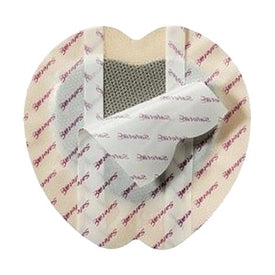
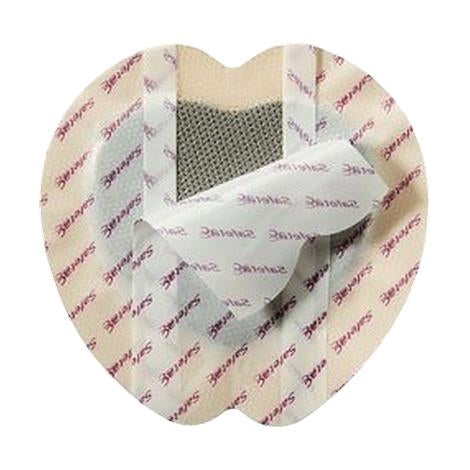
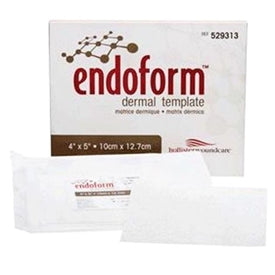
Antimicrobial dressings are used when a wound shows signs of critical colonization or local infection — conditions where bacterial burden at the wound surface is high enough to stall healing or cause active tissue damage. They deliver active antimicrobial agents directly to the wound bed to reduce bacterial load, disrupt biofilm, and restore the conditions needed for healing to resume. They are not a replacement for systemic antibiotics when deep or spreading infection is present, but they are a critical tool for managing the wound environment when standard dressings are no longer sufficient.
What is the difference between silver and iodine antimicrobial dressings?
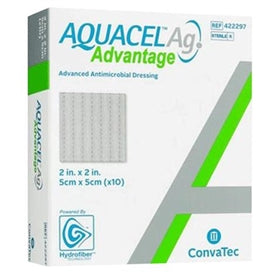
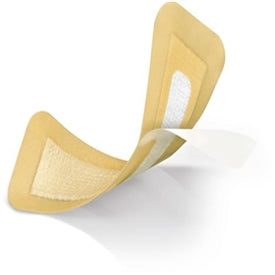
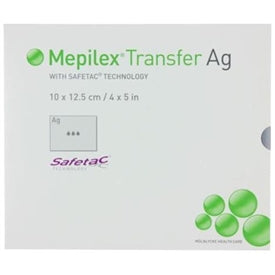
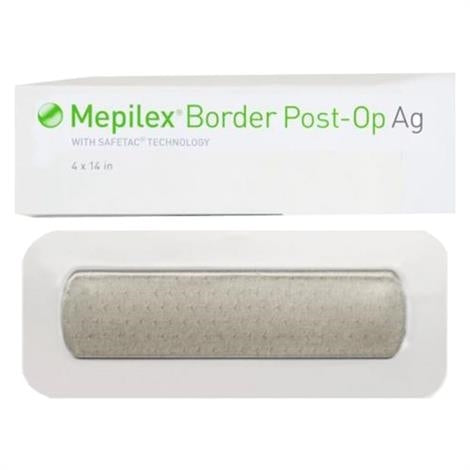
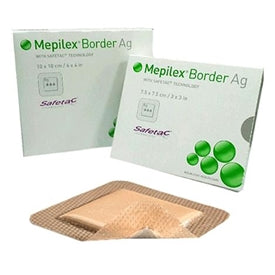
Silver dressings release ionic silver into the wound bed, which disrupts bacterial cell function across a broad spectrum of organisms including MRSA and other resistant strains. They are the most commonly used antimicrobial dressing in wound care and are available in many forms including foam, alginate, and contact layer. Iodine-based dressings — typically cadexomer iodine — release iodine slowly as they absorb exudate, providing sustained antimicrobial action and debridement of slough simultaneously. Iodine dressings are particularly effective for chronic wounds with heavy biofilm burden. Both are used under clinician guidance.
How do I know if my wound needs an antimicrobial dressing?
The NERDS criteria are a useful clinical guide: a wound may need antimicrobial intervention if three or more of the following are present — the wound is not healing despite optimal dressing management, exudate is increasing without explanation, granulation tissue is dark red and bleeds easily on contact, there is increasing wound debris or slough, or there is new or worsening wound odor. Any of these signs warrants a reassessment of dressing choice and a conversation with your clinician before switching to an antimicrobial product.
Can antimicrobial dressings treat wound biofilm?
Antimicrobial dressings are one component of a biofilm management strategy but they are most effective when used alongside mechanical disruption — wound cleansing with a surfactant-based wound wash and debridement to physically break up the biofilm matrix before applying the dressing. Biofilm is highly resistant to antimicrobial agents when intact; disrupting it first dramatically increases the effectiveness of silver or iodine at the wound surface. If a wound has been stalling for more than two weeks despite standard care, biofilm should be suspected and the wound cleansing technique reassessed.
How long should antimicrobial dressings be used?
Antimicrobial dressings are intended for short-term use — typically two to four weeks — to reduce bacterial burden and allow healing to restart. Once the wound shows signs of improvement (reduced exudate, healthier granulation tissue, decreased odor), the clinician will typically transition back to a standard moisture-balancing dressing. Prolonged use of antimicrobial dressings beyond what is clinically needed is not recommended and should always be guided by a wound care clinician or prescriber.
Important
Antimicrobial dressings manage the wound environment but are not a substitute for systemic antibiotics when deep or spreading infection is present. Signs of spreading infection — increasing redness, warmth, swelling beyond the wound edge, fever, or visible bone — require immediate clinician assessment. Do not attempt to manage deep wound infection with topical dressings alone.
Build a complete antimicrobial wound management system
Antimicrobial dressings work best alongside proper wound cleansing and the right secondary dressing:
Wound CleansersFoam DressingsAlginate DressingsAbsorbent DressingsOdor-Absorbent Dressings
For the full clinical picture on wound infection identification, the NERDS and STONEES criteria, and antimicrobial dressing protocols, see our Clinical Wound Care Guide →
Questions about antimicrobial dressing selection?
Our team is available by phone or in person at all five Southwest Florida locations — Venice · Sarasota · Port Charlotte · Fort Myers · Naples
Call 1-866-218-0902Find a Location