Absorbent Dressings · Clinical Reference · Southwest Florida
How to choose the right absorbent dressing
What are absorbent dressings used for?
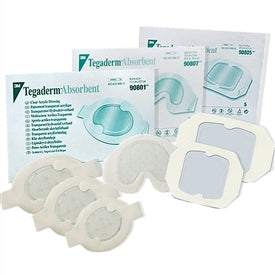
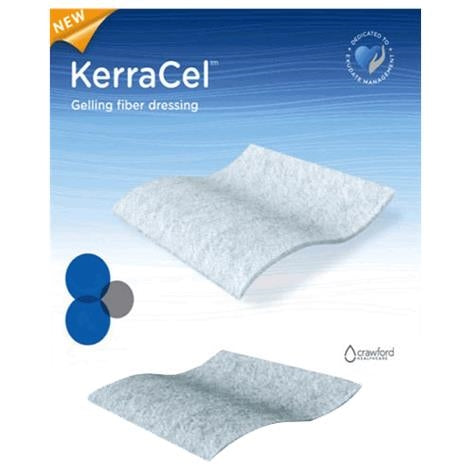
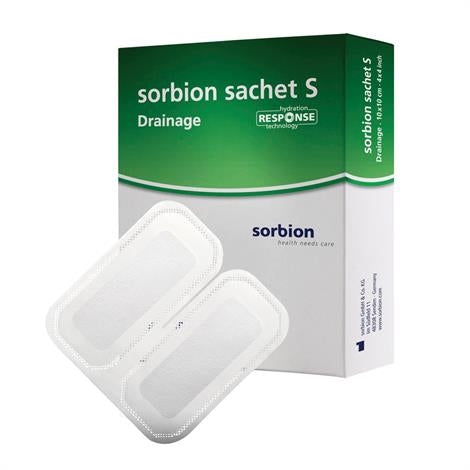
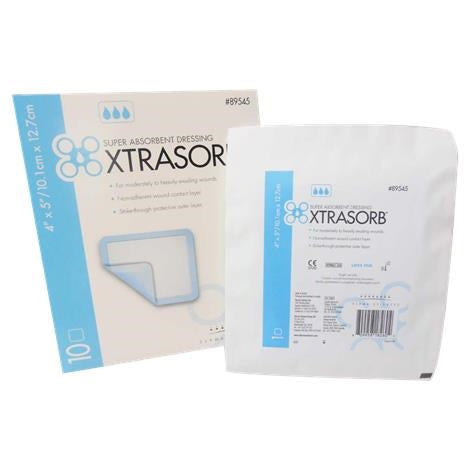
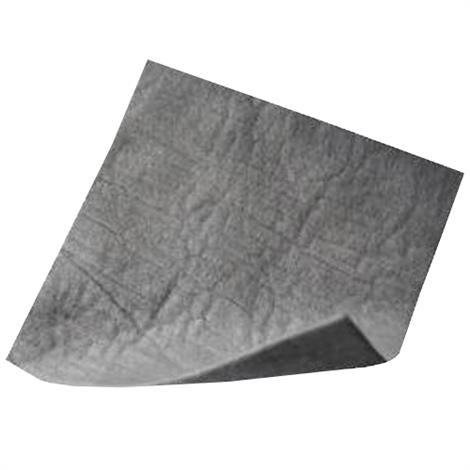
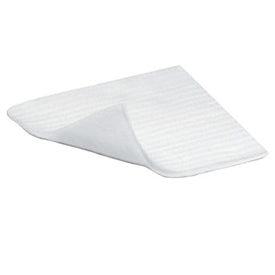
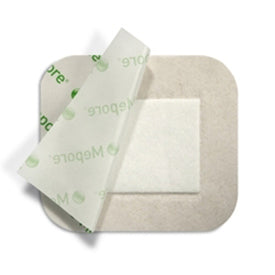
Absorbent dressings are designed for wounds producing moderate to heavy exudate where standard foam or composite dressings are not keeping up with drainage volume. They are most commonly used on venous leg ulcers, heavily draining surgical wounds, and acute wounds with significant fluid output. Their core function is to lock fluid away from the wound surface and the surrounding skin — preventing the maceration that breaks down periwound tissue and delays healing.
What is the difference between an absorbent dressing and a foam dressing?
Foam dressings absorb moderate exudate while maintaining moisture at the wound surface — they are the workhorse for everyday wound management. Absorbent dressings are higher-capacity products built specifically for heavy drainage situations where foam strikes through quickly. Think of foam as the standard choice and absorbent dressings as the step up when drainage volume exceeds what foam can manage. Both can be used as primary or secondary dressings depending on the product.
How do I know if my wound needs a more absorbent dressing?
The clearest signs are strike-through — fluid visibly saturating through to the outer surface of the dressing — and periwound maceration, where the skin around the wound becomes white, soft, and waterlogged. If you are changing a foam or composite dressing more than once a day because it is saturating, that is a strong signal to step up to a higher-capacity absorbent product. Leaking drainage is never normal and always warrants a dressing reassessment.
Can absorbent dressings be used as a secondary dressing?
Yes — absorbent dressings are frequently used as a secondary layer over a primary wound contact dressing such as a non-adherent pad, alginate, or silicone interface. In this role they provide additional fluid capacity and protect the primary dressing from strike-through. They are secured in place with medical tape or a retention bandage depending on the wound location and the patient’s skin condition.
How often should an absorbent dressing be changed?
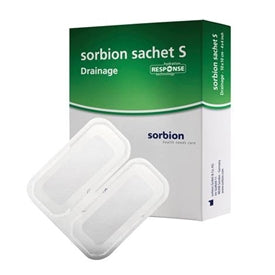
Most absorbent dressings are changed daily to every two days, but the right answer is always based on saturation — not the calendar. Change when the dressing is saturated, when strike-through is visible, or when leakage begins. If the wound is producing enough drainage to require multiple changes per day, discuss escalation options with your clinician — very high-output wounds may benefit from a wound drainage collector rather than a traditional dressing.
Commonly used alongside absorbent dressings
Absorbent dressings work best as part of a complete wound management system. Frequently paired with:
Alginate DressingsFoam DressingsNon-Adherent DressingsCompression BandagesWound Drainage CollectorsMedical Tapes
For the full clinical picture on exudate management, dressing selection by drainage level, and when to escalate to wound drainage collectors, see our Clinical Wound Care Guide →
Not sure which absorbent dressing is right for your wound?
Our team is available by phone or in person at all five Southwest Florida locations — Venice · Sarasota · Port Charlotte · Fort Myers · Naples
Call 1-866-218-0902Find a Location