Foam Dressings · Clinical Reference · Southwest Florida
How to choose the right foam dressing
What are foam dressings used for?
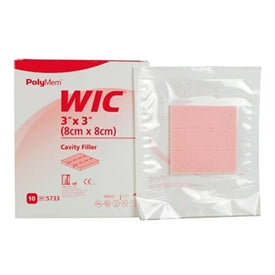
Foam dressings are used for wounds producing moderate to heavy exudate where moisture balance is the primary management goal. They are the standard-of-care dressing for pressure injuries at Stage 2 through Stage 4, venous leg ulcers under compression, granulating wounds of all etiologies, diabetic foot wounds, and as a secondary dressing over primary contact layers such as alginates or non-adherent pads. Their absorbent foam layer wicks drainage away from the wound surface and holds it internally, protecting the surrounding skin from the maceration that breaks down periwound tissue.
What is the difference between adhesive and non-adhesive foam dressings?
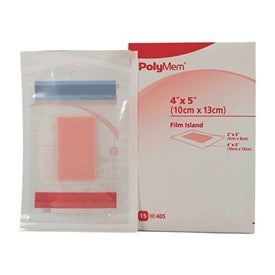
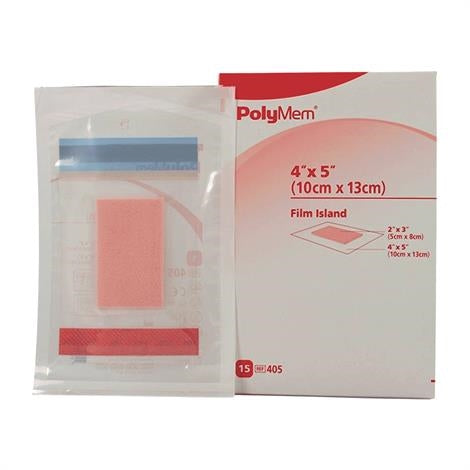
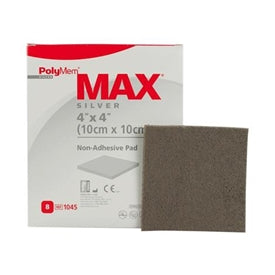
Adhesive foam dressings have a self-adherent border that sticks directly to the intact periwound skin, holding the dressing in place without additional tape — they are convenient for wounds in accessible locations on patients with reasonably intact skin. Non-adhesive foam dressings have no border adhesive and must be secured with medical tape or a retention bandage — they are preferred for patients with fragile or compromised periwound skin where repeated adhesive removal would cause trauma, and for wounds in high-flex locations like the back of the knee where adhesive borders are prone to lifting.
Are there foam dressings designed specifically for heels and the sacrum?
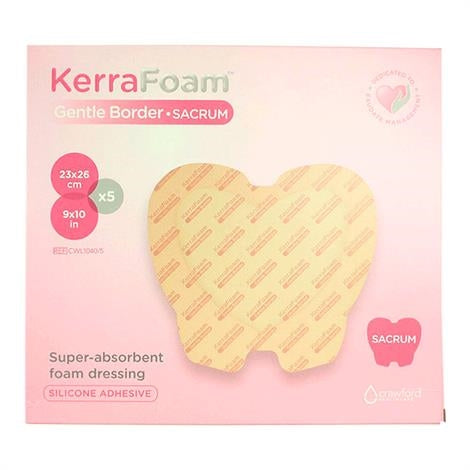
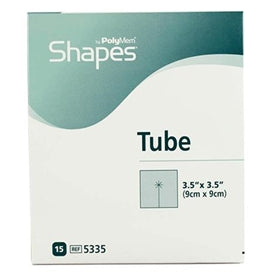
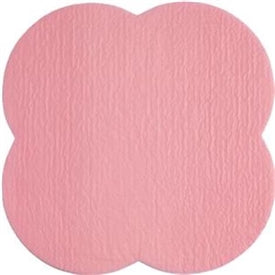
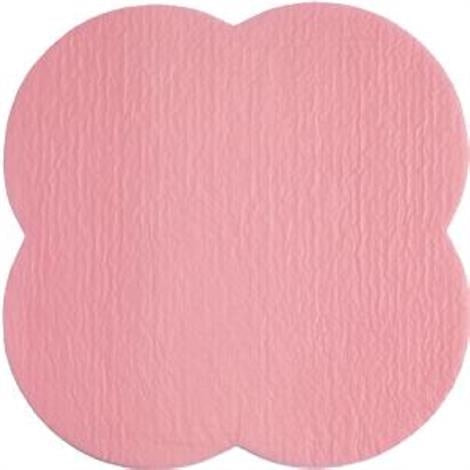
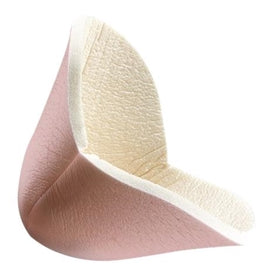
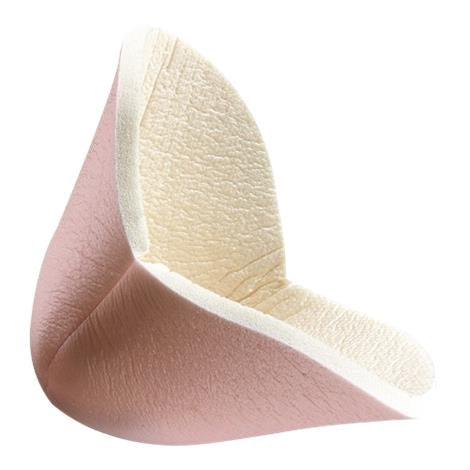
Yes — shaped foam dressings engineered for heel and sacral anatomy are an important part of pressure injury prevention and management. Heel foam dressings are contoured to wrap around the heel and secure without restricting circulation, while sacral foam dressings have a shaped border designed to conform to the curves of the lower back and buttocks. These anatomically shaped products stay in place far more reliably than standard square dressings applied to curved surfaces, reducing the edge-lifting and strike-through that cause dressings to fail early in high-pressure locations.
Can foam dressings be used under compression bandages?
Yes — foam dressings are one of the most commonly used primary dressings under compression bandage systems for venous leg ulcer management. The foam layer absorbs the heavy exudate typical of venous ulcers while compression addresses the underlying venous hypertension driving the wound. Non-adhesive foam is generally preferred under compression as the bandage itself provides fixation, and adhesive borders can cause skin trauma when removed from legs that are already compromised by venous disease and hemosiderin staining.
How often should a foam dressing be changed?
Foam dressings are typically changed every one to four days depending on exudate volume — the right answer is always based on saturation, not a fixed schedule. Change when strike-through is visible on the outer surface of the dressing, when the foam is fully saturated and no longer managing drainage, or when the adhesive border is lifting and allowing contamination. A foam dressing that is still functioning well at day three should not be changed simply because three days have passed — unnecessary changes disrupt the wound environment and increase infection risk.
When should I step up from foam to a more absorbent dressing?
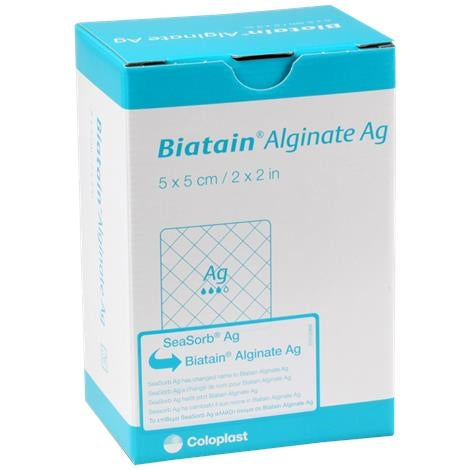
If a foam dressing is saturating and striking through within 24 hours despite being the correct size for the wound, it is time to step up to a higher-capacity product. Alginate dressings used as a primary layer under foam, super-absorbent dressings, or dedicated high-output absorbent products are the typical next step for wounds with heavy drainage that exceeds foam capacity. Persistent strike-through is never a normal finding and always warrants a dressing reassessment.
Commonly used alongside foam dressings
Foam dressings are highly versatile as both primary and secondary dressings. Frequently paired with:
Alginate DressingsNon-Adherent DressingsCompression BandagesAbsorbent DressingsSilicone DressingsMedical Tapes
For the full clinical picture on foam dressing selection, pressure injury staging, and venous ulcer management protocols, see our Clinical Wound Care Guide →
Need help finding the right foam dressing for your wound?
Our team is available by phone or in person at all five Southwest Florida locations — Venice · Sarasota · Port Charlotte · Fort Myers · Naples
Call 1-866-218-0902Find a Location