Non-Adherent Dressings · Clinical Reference · Southwest Florida
How to choose the right non-adherent dressing
What is a non-adherent dressing and why does it matter?
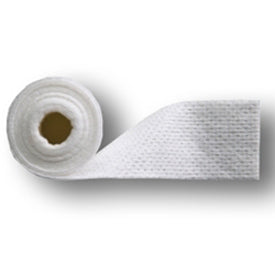
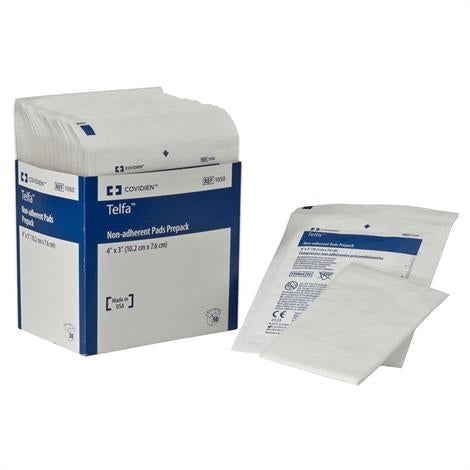
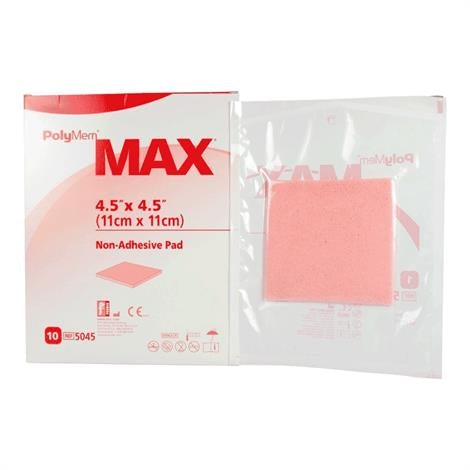
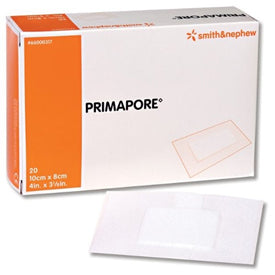
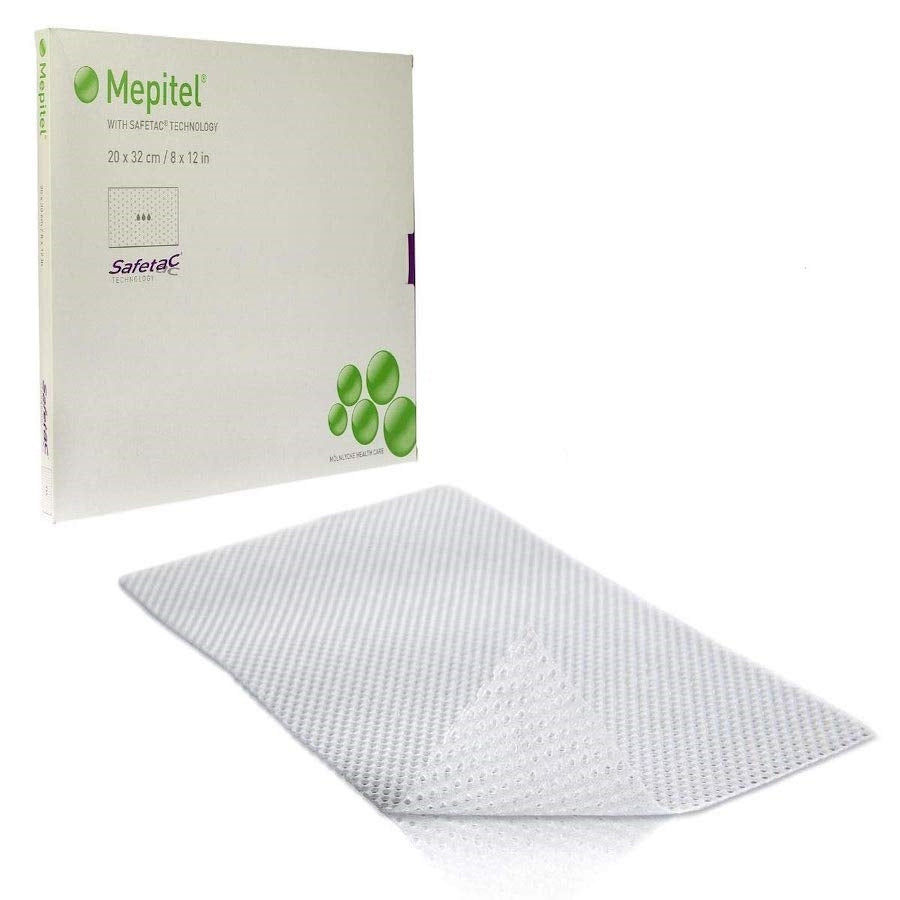
A non-adherent dressing has a wound contact surface specifically designed not to bond to the wound bed or surrounding tissue. This matters because every time a dressing sticks to a wound and is pulled away, it tears new capillary loops and epithelial cells that have formed since the last change — setting healing back and causing unnecessary pain. Non-adherent dressings eliminate this trauma by releasing cleanly from even the most delicate granulating or epithelializing tissue, making each dressing change a neutral event rather than a setback for the wound.
What is the difference between a non-adherent dressing and a silicone dressing?
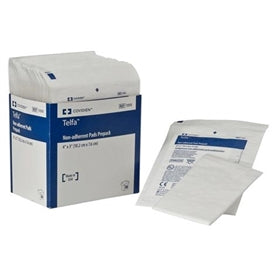
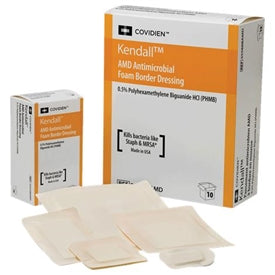
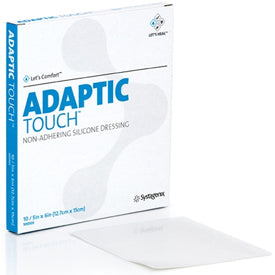
Both are designed for atraumatic removal but they achieve it differently. Traditional non-adherent dressings use a perforated or coated low-adherence contact layer — typically a paraffin-impregnated gauze or a synthetic low-adherence pad — that minimizes bonding to the wound surface. Silicone dressings use a soft silicone gel contact layer that provides the most gentle removal available, making them the preferred choice for the most fragile skin, pediatric wounds, and patients with the highest pain sensitivity. Non-adherent pads are the cost-effective everyday option; silicone is the step up when even low-adherence is not gentle enough.
What secondary dressing should I use over a non-adherent pad?
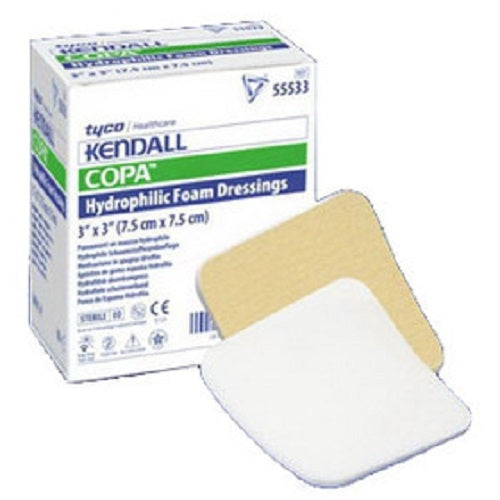
The right secondary dressing depends on the wound’s exudate level. For wounds with low to moderate drainage, a composite dressing, foam pad, or absorbent dressing applied over the non-adherent contact layer provides both absorption and fixation. For very lightly draining wounds, a transparent film can hold a non-adherent sheet in place while allowing wound monitoring without removal. The secondary is secured with medical tape chosen to match the patient’s skin fragility — paper tape for sensitive skin, silicone tape for the most delicate periwound areas.
Are non-adherent dressings the right choice for a skin tear?
Yes — non-adherent dressings are one of the most important tools for managing skin tears correctly. The priority with a skin tear is to realign the skin flap gently back into position before applying the dressing, then cover it with a non-adherent contact layer that will not bond to the flap or the surrounding tissue on removal. It is also essential to mark the direction of the skin flap on the outer dressing so that whoever removes it knows which direction to peel — removing a dressing in the wrong direction on a skin tear can pull the flap completely off.
How often should a non-adherent dressing be changed?
Non-adherent dressings are typically changed daily to every three days depending on wound drainage and the secondary dressing used. The secondary dressing’s saturation level is usually the primary indicator for change — when the secondary is saturated, both layers are changed together. On very clean, lightly draining wounds the non-adherent contact layer may be left in place while only the secondary absorbent layer is changed, reducing trauma to the wound surface and extending the interval between full dressing changes.
Non-adherent dressings always need a secondary — shop by type
Choose your secondary cover and fixation based on exudate level and skin fragility:
Foam DressingsComposite DressingsAbsorbent DressingsSilicone DressingsTransparent Film DressingsMedical Tapes
For the full clinical picture on non-adherent dressings, skin tear management, and primary versus secondary dressing protocols, see our Clinical Wound Care Guide →
Need help choosing the right non-adherent dressing and secondary cover?
Our team is available by phone or in person at all five Southwest Florida locations — Venice · Sarasota · Port Charlotte · Fort Myers · Naples
Call 1-866-218-0902Find a Location