Alginate Dressings · Clinical Reference · Southwest Florida
How to choose the right alginate dressing
What is an alginate dressing and how does it work?
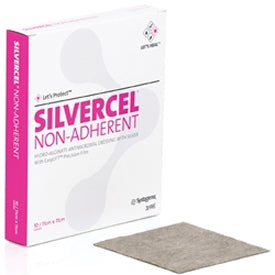
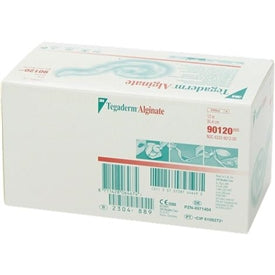
Alginate dressings are made from calcium alginate fibers derived from brown seaweed. When they come into contact with wound exudate, the fibers absorb the fluid and form a soft, moist gel that conforms to the wound bed. This gel layer manages heavy drainage while keeping the wound surface moist to support healing. The ion exchange between the sodium in wound fluid and the calcium in the alginate fiber is what drives the gel formation — meaning alginates only activate in the presence of wound fluid, making them highly targeted in their action.
What type of wound is an alginate dressing best for?
Alginate dressings are best suited for wounds with moderate to heavy exudate — particularly venous leg ulcers, diabetic foot ulcers, heavily draining pressure injuries, and post-surgical wounds with significant drainage. Rope or ribbon alginate is specifically designed for packing tunneling wounds and undermined wound edges where a flat sheet dressing cannot reach the full wound depth. Alginates are not appropriate for dry wounds — they require wound fluid to activate and will dry out and adhere painfully to a desiccated wound bed.
Do alginate dressings need a secondary dressing?
Yes — alginate dressings always require a secondary dressing to hold them in place and provide additional protection. The alginate itself has no adhesive properties and will not stay on the wound on its own. A foam dressing, absorbent pad, or composite dressing is applied over the alginate as a secondary cover, secured with medical tape or a retention bandage depending on wound location and drainage volume.
What is the difference between alginate rope and alginate sheet?
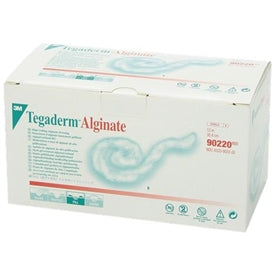
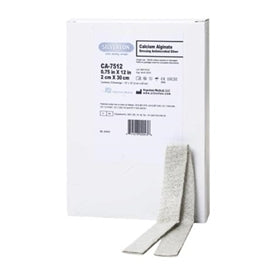
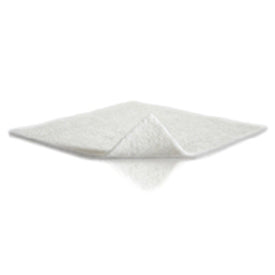
Alginate sheets are flat pads used on open, accessible wound beds — they are cut to size and laid directly over the wound surface. Alginate rope (also called ribbon alginate) is a twisted or rolled strand designed to be gently packed into tunneling wounds, sinus tracts, or deep wound cavities where a flat sheet cannot conform to the wound shape. When packing with rope alginate, always fill the space loosely — never pack tightly — and leave a small tail outside the wound to allow for easy retrieval at the next dressing change.
How often should an alginate dressing be changed?
Alginate dressings are typically changed every one to three days based on how saturated the gel becomes. Change when the gel is fully formed and saturated, or if the wound appears to be drying out and the alginate is beginning to harden rather than gel. If the dressing has dried and is sticking to the wound, moisten it with sterile saline before removal to prevent trauma to the healing tissue — never pull a dried alginate dressing away from the wound bed dry.
Alginate dressings always need a secondary dressing — shop by type
Choose a secondary cover based on your wound’s drainage volume and location:
Foam DressingsAbsorbent DressingsComposite DressingsCompression BandagesMedical Tapes
For the full clinical picture on alginate dressings, tunneling wound management, and heavy exudate protocols, see our Clinical Wound Care Guide →
Not sure which alginate product is right for your wound?
Our team is available by phone or in person at all five Southwest Florida locations — Venice · Sarasota · Port Charlotte · Fort Myers · Naples
Call 1-866-218-0902Find a Location