Composite Dressings · Clinical Reference · Southwest Florida
How to choose the right composite dressing
What is a composite dressing?
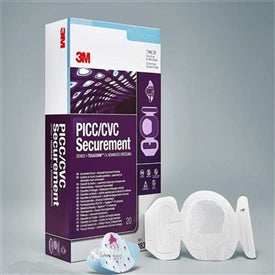
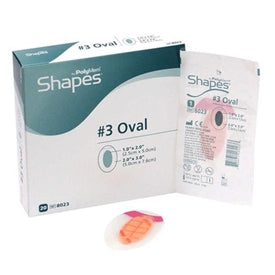
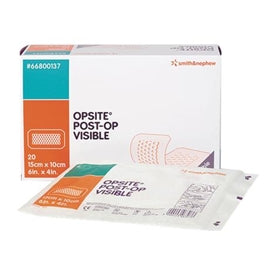
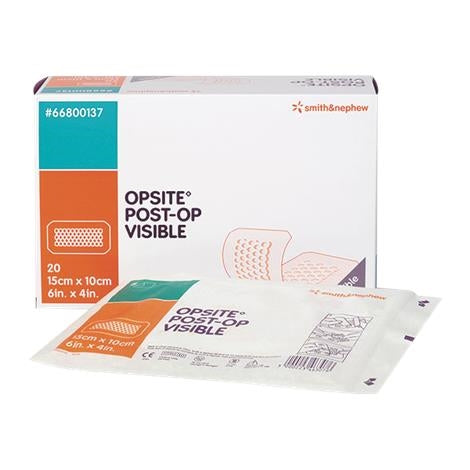
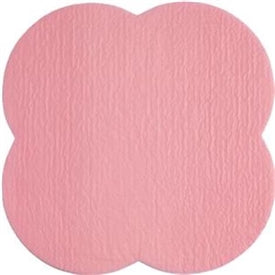
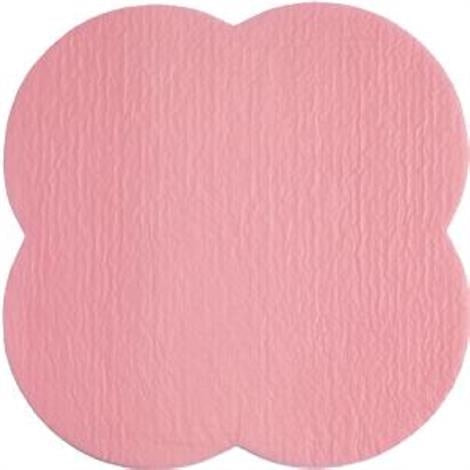
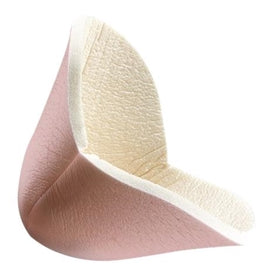
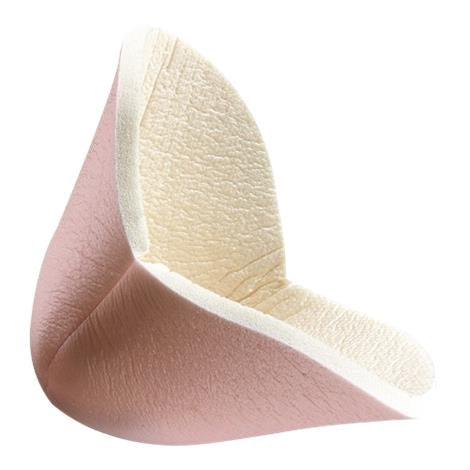
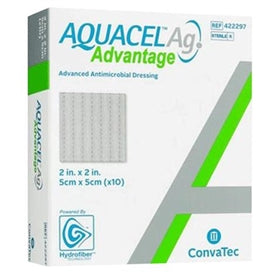
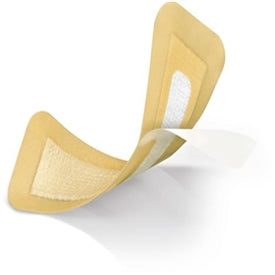
A composite dressing is a multi-layer wound dressing that combines two or more distinct functional components into a single product. A typical composite dressing includes a non-adherent wound contact layer that sits directly against the wound without sticking to healing tissue, an absorbent middle layer that captures and holds exudate away from the wound surface, and a semi-occlusive or occlusive outer backing that protects the wound from external contamination. The key advantage is convenience — one product does the work of a layered dressing system, reducing the number of supplies needed and simplifying application for caregivers and clinicians.
What is the difference between a composite dressing and an adhesive island dressing?
Both are self-contained multi-component dressings, but composite dressings are built with more clinical sophistication. Standard adhesive island dressings have a simple absorbent pad with an adhesive border — they are designed for minor and acute wounds with low to moderate drainage. Composite dressings incorporate a true non-adherent wound contact layer, higher absorbency capacity, and are engineered to manage more complex wound types including moderate-exudate chronic wounds and post-surgical sites that require a more protective wound contact interface than a standard adhesive pad provides.
Can composite dressings be used as a primary or secondary dressing?
Composite dressings can function as either a primary dressing placed directly on the wound, or as a secondary dressing applied over a primary wound contact layer such as an alginate, hydrogel, or non-adherent pad. When used as a secondary dressing they provide the absorbent and protective functions while the primary layer handles the direct wound interface. Their versatility in both roles makes them one of the most flexible products in a wound care supply kit.
What types of wounds are composite dressings best suited for?
Composite dressings perform best on post-surgical wounds healing by primary or secondary intention, moderate-exudate chronic wounds including pressure injuries and diabetic foot ulcers, and wounds in locations where a single reliable dressing is more practical than a layered system. They are also commonly used in home care settings where the caregiver may not have the clinical training to assemble a multi-product dressing protocol and needs a dependable all-in-one solution.
How often should a composite dressing be changed?
Composite dressings are typically changed every two to three days, but saturation is always the primary indicator — not the calendar. Change when the absorbent layer is saturated, when strike-through is visible on the outer surface, or when the adhesive border is lifting and no longer securing the dressing. Some composite products are designed for longer wear when exudate levels are low — always follow the specific manufacturer guidance for the product you are using.
Commonly used alongside or instead of composite dressings
Depending on your wound’s exudate level and complexity, these dressing types are frequently used in combination or as alternatives:
Foam DressingsNon-Adherent DressingsAdhesive DressingsAlginate DressingsAbsorbent DressingsMedical Tapes
For the full clinical picture on composite dressings, primary versus secondary dressing protocols, and post-surgical wound management, see our Clinical Wound Care Guide →
Not sure if a composite dressing is right for your wound?
Our team is available by phone or in person at all five Southwest Florida locations — Venice · Sarasota · Port Charlotte · Fort Myers · Naples
Call 1-866-218-0902Find a Location