Adhesive Dressings · Clinical Reference · Southwest Florida
How to choose the right adhesive dressing
What is an adhesive island dressing?
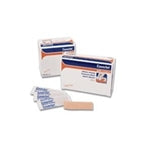
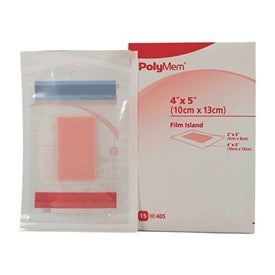
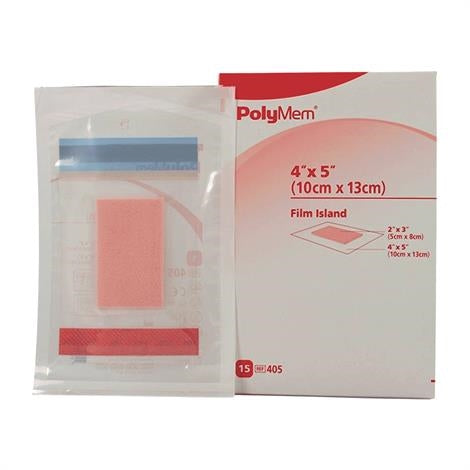
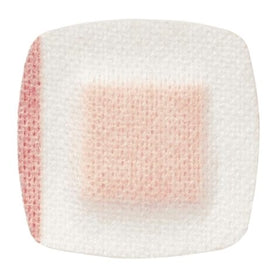
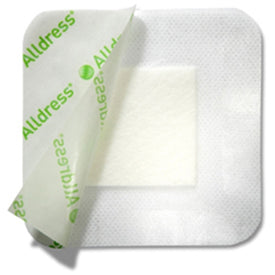
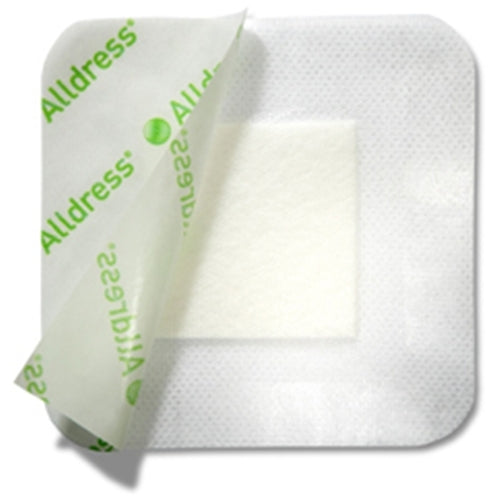
An adhesive island dressing is a self-contained dressing with a central non-adherent or absorbent pad surrounded by an adhesive border that sticks directly to the skin. The pad sits over the wound without sticking to it, while the adhesive frame holds the entire dressing securely in place — no separate tape needed. They come in a wide range of sizes and are among the most commonly used dressings for everyday wound management in both clinical and home settings.
When should I use an adhesive dressing versus a composite or foam dressing?
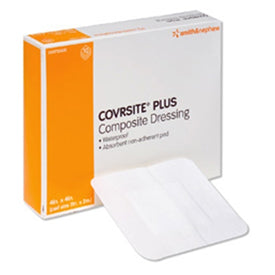
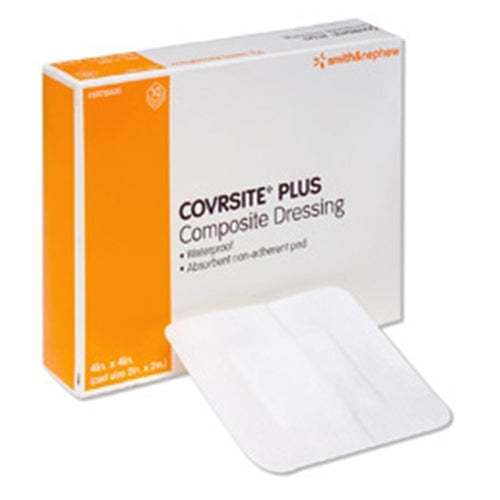
Adhesive island dressings are best suited for acute wounds, minor lacerations, post-surgical incisions healing by primary closure, and wounds with low to moderate drainage. When a wound produces heavier exudate or requires a more specialized wound contact layer — such as a silicone interface for fragile skin or an alginate for heavy drainage — a composite or foam dressing is a better fit. If you are unsure, the rule of thumb is: the simpler the wound, the more appropriate a standard adhesive dressing.
Are adhesive dressings waterproof?
It depends on the product. Many standard adhesive island dressings are water-resistant rather than fully waterproof — they can handle light moisture exposure such as hand washing but may lift at the edges if submerged or exposed to heavy water flow like showering. If waterproof performance is needed, look specifically for products labeled waterproof, or use a transparent film dressing as an additional cover over the adhesive pad during bathing.
How often should an adhesive dressing be changed?
Adhesive dressings are typically changed daily or whenever the dressing becomes saturated, soiled, or the adhesive border begins to lift. For clean post-surgical incisions with minimal drainage, every one to two days is common. Always change sooner if the dressing is wet through, the wound shows signs of increased redness or drainage, or the dressing no longer lies flat against the skin.
Can adhesive dressings be used on sensitive or elderly skin?
Standard adhesive dressings can cause skin tears or stripping on very fragile, thin, or elderly skin — particularly in patients on long-term corticosteroids or blood thinners. In those cases, a silicone-bordered dressing or a non-adherent pad secured with a gentle paper or silicone tape is a safer alternative. When removing any adhesive dressing from fragile skin, always press down on the skin while gently rolling the dressing back — never pull upward.
Commonly used alongside adhesive dressings
For wounds that need a step up in performance or skin protection, consider pairing with:
Composite DressingsNon-Adherent DressingsFoam DressingsSilicone DressingsTransparent Film DressingsMedical Tapes
For the full clinical picture on post-surgical wound care, dressing selection by wound type, and managing fragile skin at dressing changes, see our Clinical Wound Care Guide →
Need help choosing the right adhesive dressing?
Our team is available by phone or in person at all five Southwest Florida locations — Venice · Sarasota · Port Charlotte · Fort Myers · Naples
Call 1-866-218-0902Find a Location