Transparent Film Dressings · Clinical Reference · Southwest Florida
How to choose the right transparent film dressing
What are transparent film dressings used for?
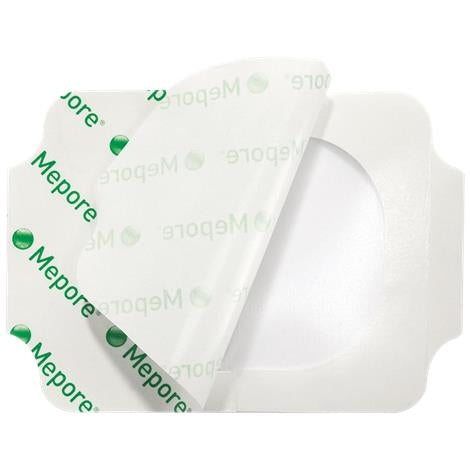
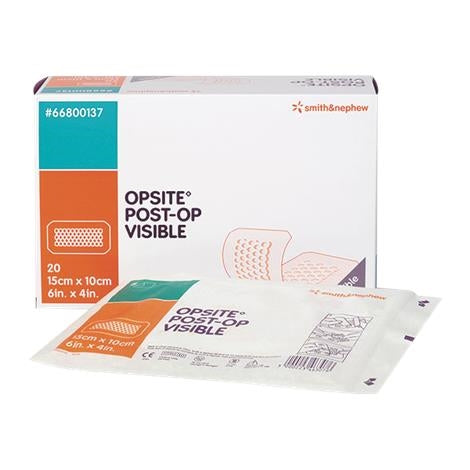
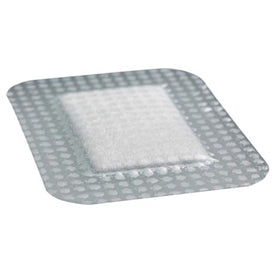
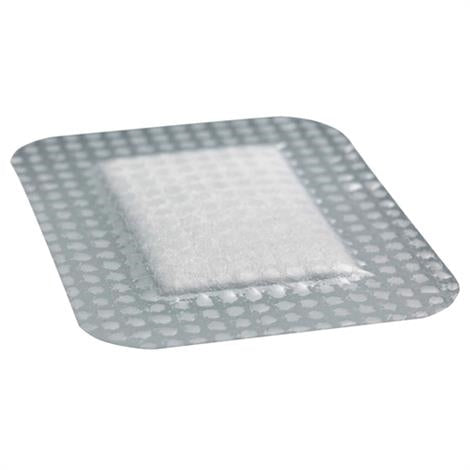
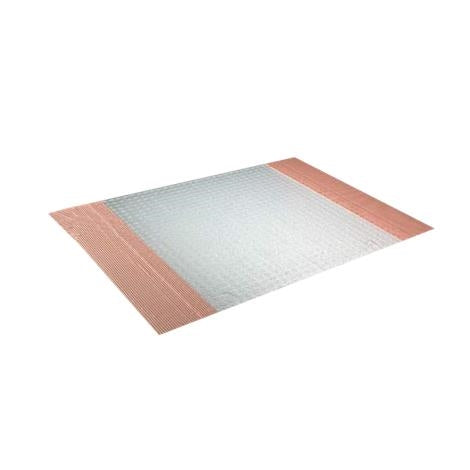
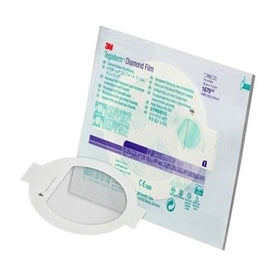
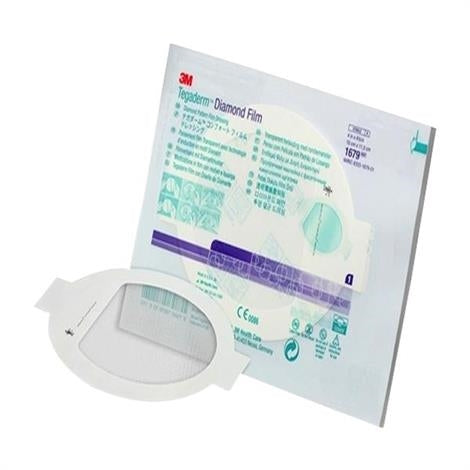
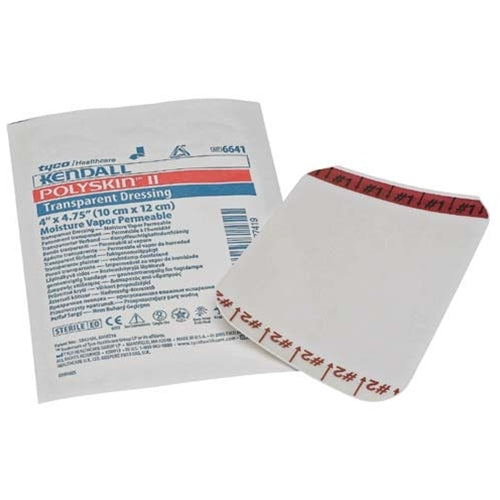
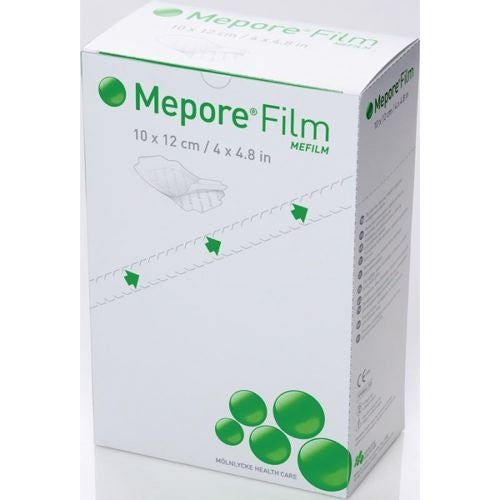
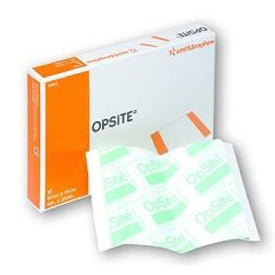
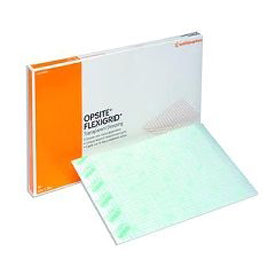
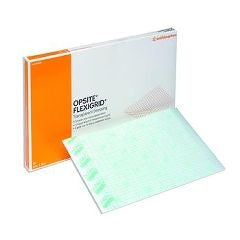
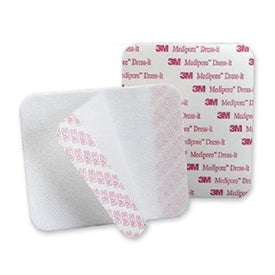
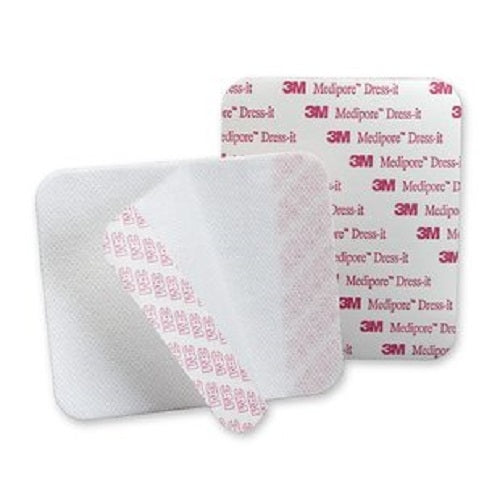
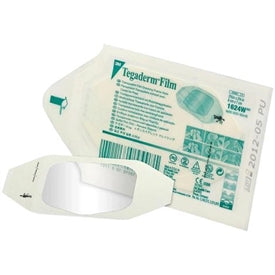
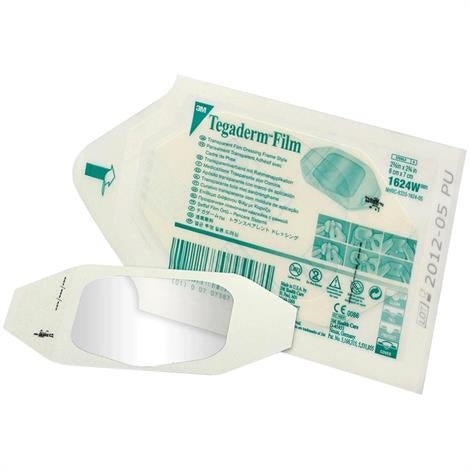
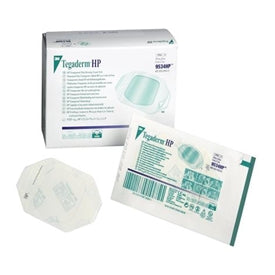
Transparent film dressings are most commonly used to protect IV and central line insertion sites, cover superficial or partial-thickness wounds with minimal exudate, secure hydrogel on dry wounds, and protect at-risk skin over bony prominences. Because the dressing is see-through, clinicians and caregivers can monitor the wound or IV site at every visit without removing the dressing and disrupting the healing environment.
Is a transparent film dressing waterproof?
Yes — transparent film dressings are waterproof and impermeable to bacteria and contaminants, making them ideal for patients who need to shower or who are at risk of wound contamination. They are semipermeable to moisture vapor and oxygen, which means the wound can still breathe while remaining protected from external moisture and bacteria.
Can transparent film dressings be used on wounds with drainage?
Transparent films are designed for wounds with little to no exudate. If a wound is producing moderate or heavy drainage, a film dressing will not absorb it — fluid will pool under the dressing, lifting the edges and increasing the risk of periwound maceration. For draining wounds, a foam, alginate, or absorbent dressing is the better choice. Films can still be used as a secondary cover over an absorptive primary dressing on lightly draining wounds.
How long can a transparent film dressing stay on?
Most transparent film dressings can remain in place for five to seven days when the wound is clean and exudate is minimal. Change sooner if the edges are lifting, fluid is pooling near the border, or the integrity of the film is compromised. For IV site dressings, follow your facility or clinician’s protocol — many recommend changing with every line change or every 5–7 days regardless of appearance.
Are transparent dressings safe for fragile or elderly skin?
Standard transparent films use an acrylic adhesive that can cause skin tears on very fragile or paper-thin skin, particularly in elderly patients on long-term corticosteroids. In those cases, a silicone-bordered film or a non-adherent dressing with a gentle tape is a safer alternative. Always stretch the skin gently flat before applying, and roll — rather than pull — the dressing off at removal to minimize trauma.
Commonly used alongside transparent film dressings
Transparent films work best as a secondary cover or for low-exudate wounds. Pair with:
Hydrogel DressingsFoam DressingsSilicone DressingsMedical Tapes3M Tegaderm
For the full clinical picture on transparent film dressings, IV site protection, and secondary dressing selection, see our Clinical Wound Care Guide →
Need help finding the right transparent dressing?
Our team is available by phone or in person at all five Southwest Florida locations — Venice · Sarasota · Port Charlotte · Fort Myers · Naples
Call 1-866-218-0902Find a Location